Introduction
Every successful digital product begins with a spark—an idea full of potential. Yet, before committing significant time and resources to full-scale development, businesses need a way to visualize, test, and refine that vision. This is where prototype design becomes indispensable.
Prototypes serve as the bridge between concept and execution, transforming abstract ideas into tangible experiences. They allow teams to uncover usability issues early, validate assumptions with real users, and align stakeholders around a shared vision. By doing so, businesses not only save resources but also ensure that the final product resonates with its audience and delivers measurable impact.
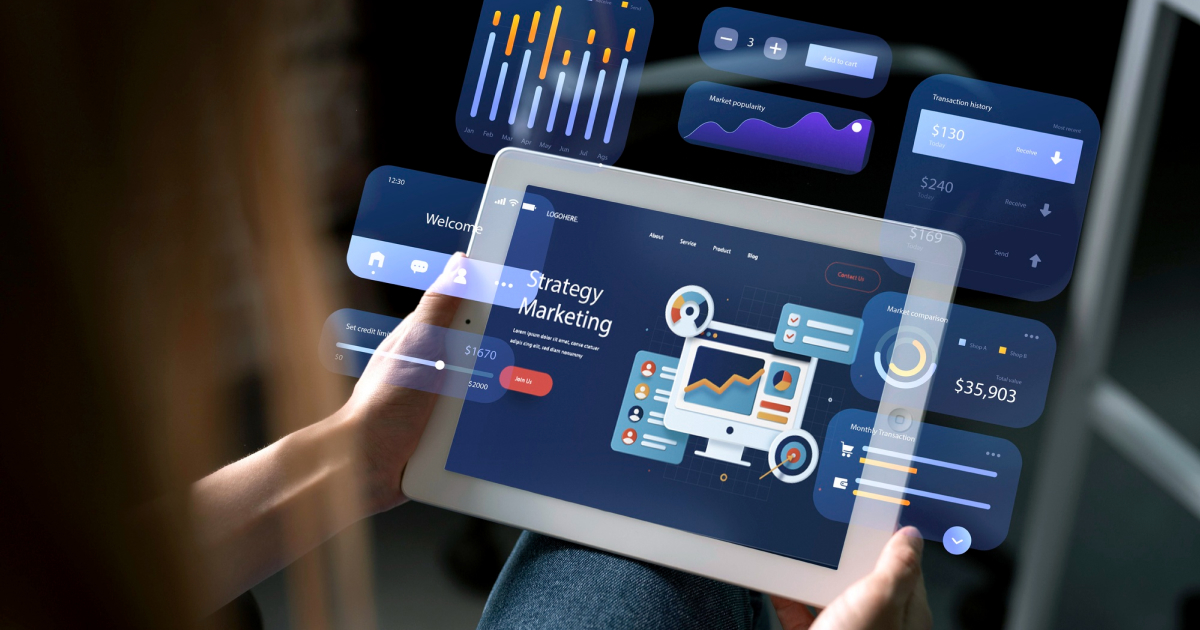
The Value of Prototype Design
Reducing Risk
Prototypes allow teams to identify usability issues and design flaws early in the process. By catching problems before full development begins, businesses avoid costly rework and minimize wasted resources.
Aligning Stakeholders
Visual prototypes provide a clear representation of the product vision. They help teams, clients, and decision-makers see the same picture, fostering alignment and reducing misunderstandings that often arise from abstract ideas or documents.
Gathering User Feedback
Testing prototypes with real users ensures that the product meets expectations and solves actual problems. This feedback loop validates assumptions, highlights user preferences, and guides design improvements before launch.
Accelerating Iteration
Prototypes make it easy to experiment and adjust quickly. Instead of rewriting complex code, teams can refine layouts, flows, and interactions in a lightweight environment, speeding up the design cycle and encouraging innovation.
Enhancing Communication
Beyond usability, prototypes serve as a powerful communication tool. They bridge the gap between designers, developers, and business leaders, ensuring everyone understands how the product will look, feel, and function in practice.
Key Principles Behind Effective UI/UX
Simplicity
A simple interface reduces cognitive load, allowing users to focus on their goals without distraction. By stripping away unnecessary elements, navigation becomes effortless, and users can achieve tasks quickly and confidently.
Consistency
Consistency across layouts, colors, typography, and interactions builds familiarity. It strengthens brand identity and fosters trust, ensuring users feel comfortable and confident as they move through different parts of the product.
Accessibility
A well-developed website is more than a digital asset—it is a strategic tool for growth. With effective execution, your business gains long-term advantages that go beyond aesthetics:
Feedback
Clear feedback keeps users informed about system status, actions, and outcomes. Whether through animations, alerts, or confirmations, feedback reassures users, reduces uncertainty, and keeps them engaged.
Emotional Connection
Beyond functionality, great design creates delight. Thoughtful micro-interactions, personalized touches, and empathetic design choices foster emotional bonds that turn casual users into loyal advocates.
Our Perspective
At Appified Solutions, we view UI/UX as the bridge between technology and human emotion. Our design process blends creativity with usability testing, ensuring that every digital product we craft is not only visually appealing but also strategically aligned with user needs. From wireframes to prototypes, we focus on building experiences that drive engagement and deliver measurable business outcomes.
Conclusion
In today’s digital era, UI/UX design has shifted from being optional to absolutely essential. It is the foundation upon which businesses build meaningful connections with their audiences. By embracing innovation and adopting a user-centric mindset, companies can move beyond simply offering products—they can deliver experiences that resonate emotionally, foster loyalty, and drive measurable growth.
Every successful digital product begins with a spark—an idea full of potential. Yet, before committing significant time and resources to full-scale development, businesses need a way to visualize, test, and refine that vision. This is where prototype design becomes indispensable.
Prototypes serve as the bridge between concept and execution, transforming abstract ideas into tangible experiences. They allow teams to uncover usability issues early, validate assumptions with real users, and align stakeholders around a shared vision. By doing so, businesses not only save resources but also ensure that the final product resonates with its audience and delivers measurable impact.